Key Takeaways
- Therapy speak is the everyday use of clinical or therapeutic language, and while it can support growth, it sometimes gets weaponized to avoid accountability or shut down conversations.
- Defensive therapy speak often pathologizes legitimate concerns, claims false expertise through clinical-sounding language, or creates emotional distance through intellectualizing.
- Healthy use of psychological language is self-reflective, invitational, process-oriented, and collaborative, rather than accusatory, final, label-focused, or authoritative.
- Responding well means focusing on impact rather than intent, modeling vulnerable communication, and seeking professional help when defensive patterns consistently harm your relationships.
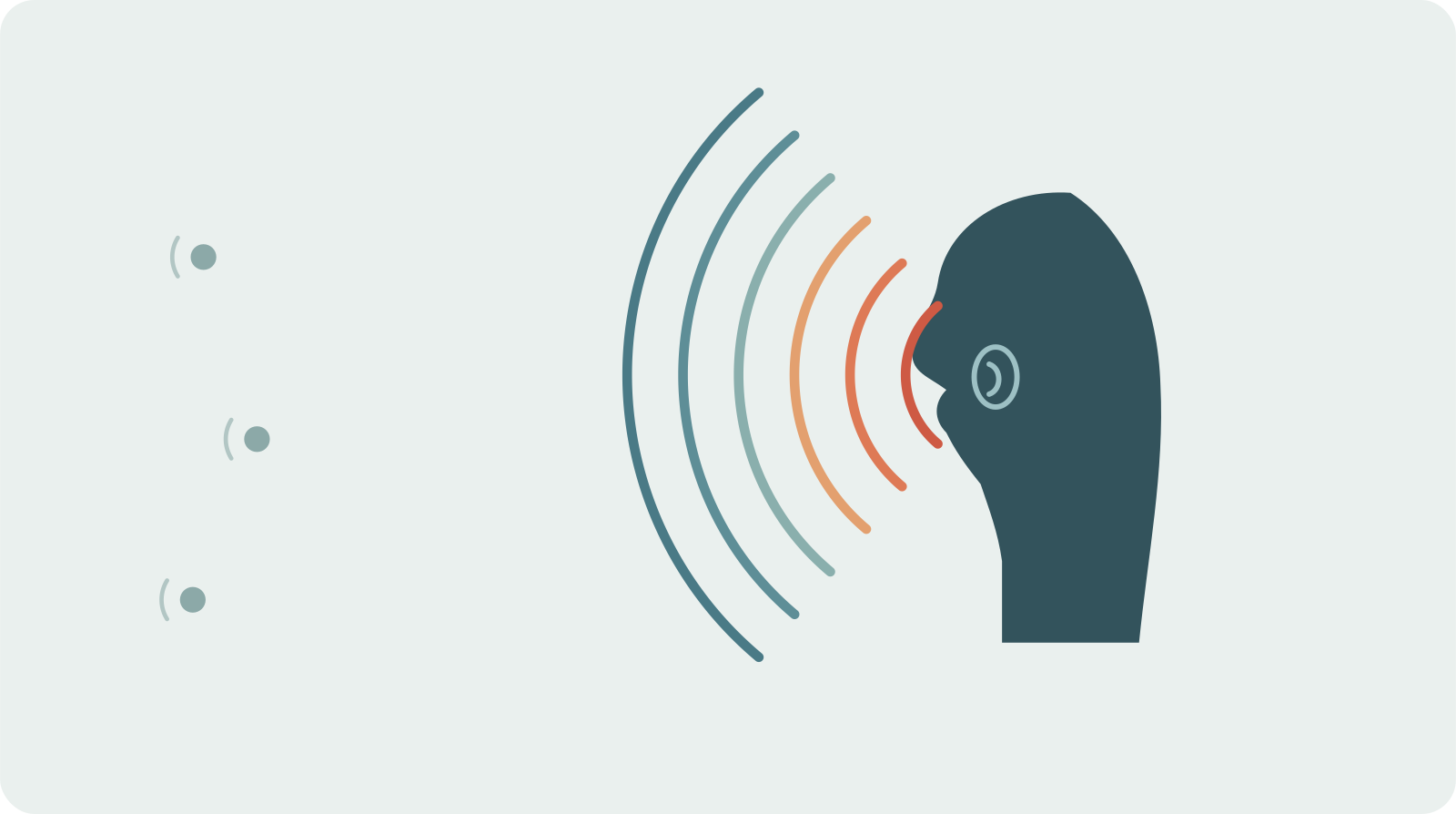
You're trying to have a difficult conversation with someone close to you, and suddenly you're hit with a wall of psychological jargon: "You're being toxic," "That's gaslighting," or "I'm setting boundaries" — delivered with the finality of a diagnosis. The conversation stops, you're left feeling confused and dismissed, and somehow you've become the problem for even bringing up your concerns.
This experience is becoming increasingly common as mental health awareness grows and therapeutic concepts enter everyday language. What should be tools for healing and understanding are sometimes wielded as weapons to avoid accountability, shut down conversations, or maintain power in relationships.
What Is Armchair Diagnosis Culture?
The democratization of psychological knowledge has brought tremendous benefits — people are more aware of mental health, trauma responses, and relationship dynamics than ever before. However, this increased psychological literacy has also created an environment where complex therapeutic concepts get oversimplified and misapplied.
When someone uses therapy speak defensively, they're often taking legitimate psychological terms and using them to create distance rather than connection. Terms like "narcissist," "trauma response," or "toxic" become catch-all explanations that end conversations rather than opening them up for genuine exploration.
This phenomenon isn't necessarily intentional manipulation — many people genuinely believe they're applying psychological concepts correctly. The problem arises when these terms become rigid labels that prevent the nuanced understanding real relationships require.
How Does Therapy Speak Get Weaponized?
Defensive therapy speak typically serves several psychological functions that have little to do with actual healing or growth. Understanding these patterns can help you recognize when legitimate concepts are being misused.
Avoiding Accountability Through Pathologizing
One common pattern involves framing any criticism or request for change as inherently problematic. Phrases like "You're being controlling" or "That's emotional manipulation" can shut down legitimate concerns by making the person raising them seem unreasonable or harmful.
This creates a double bind where addressing problems becomes impossible because the very act of raising concerns gets labeled as toxic behavior. The National Institute of Mental Health emphasizes that healthy relationships require the ability to discuss problems openly — something that becomes impossible when psychological terms are used to shut down dialogue.
Creating False Expertise
Therapy speak can also function as a way to claim authority in interpersonal situations. By using clinical language, someone positions themselves as more psychologically sophisticated or aware, making it harder for others to challenge their perspective.
This pseudo-expertise often lacks the nuance and context that actual therapeutic training provides. Real therapists understand that psychological concepts are complex tools that require careful application — not absolute truths to be wielded in arguments.
Emotional Bypassing Through Clinical Detachment
Sometimes therapy speak becomes a way to intellectualize emotions rather than actually feel them. Phrases like "I'm processing my trauma" or "I need to regulate my nervous system" can become ways to avoid the messy, uncomfortable work of actually sitting with difficult feelings.
While these concepts are valuable in therapeutic contexts, they can become problematic when used to create emotional distance or avoid genuine vulnerability in relationships.
When Psychological Awareness Becomes Something More?
Not every use of therapeutic language is defensive or manipulative. Many people are genuinely trying to understand themselves and their relationships better using the tools they've learned from therapy, books, or online resources.
The key difference lies in how these concepts are applied. Healthy use of psychological language tends to be:
- Self-reflective rather than accusatory: "I notice I shut down when criticized" versus "You're triggering my trauma response."
- Invitational rather than final: "I wonder if this dynamic might be..." versus "You are definitely..."
- Process-oriented rather than label-focused: Exploring patterns rather than assigning diagnoses
- Collaborative rather than authoritative: Using psychological concepts to deepen understanding together
When therapy speak consistently shuts down conversations, avoids personal responsibility, or creates rigid hierarchies of who's more "evolved," it may have shifted from a tool for growth into a defense mechanism.
What Helps When Encountering Defensive Therapy Speak?
Navigating relationships where psychological language is used defensively requires both boundaries and compassion. The person using therapy speak this way is often protecting themselves from something that feels threatening, even if their method creates harm.
Focusing on Impact Over Intent
Rather than arguing about whether someone is correctly applying psychological concepts, you can focus on the impact their communication style has on you and the relationship. Statements like "When our conversations end with psychological terms, I feel like my concerns aren't being heard" can help redirect toward the actual relationship dynamic.
Modeling Vulnerable Communication
Sometimes the best response to defensive therapy speak is demonstrating what genuine emotional honesty looks like. This doesn't mean being a doormat, but rather showing that it's possible to be psychologically aware without using that awareness as a shield.
Recognizing When Professional Help Is Needed
If defensive therapy speak is consistently damaging your relationships or mental health, both individual and couples' therapy can provide the skills and perspective needed to navigate these dynamics more effectively. A trained therapist can help distinguish between legitimate psychological concepts and their defensive misapplication.
The goal of psychological literacy isn't to win arguments or avoid difficult emotions — it's to deepen our capacity for authentic connection with ourselves and others.
Understanding when therapy speak becomes a defense mechanism isn't about dismissing the value of mental health awareness or psychological education. Instead, it's about recognizing that genuine healing requires vulnerability, accountability, and the willingness to sit with discomfort — qualities that defensive language actively works against.
If you're struggling with relationships where psychological language has become a barrier rather than a bridge, you don't have to navigate this alone. Our therapists in Brooklyn, Austin, and Miami, as well as through telehealth, understand the complex ways that mental health awareness can both help and hinder authentic connection. Sometimes having a professional perspective can help distinguish between genuine psychological insight and defensive patterns that keep us stuck.
Frequently Asked Questions
What is therapy speak?
Therapy speak is the everyday use of psychological and therapeutic terms in conversation, like "narcissist," "gaslighting," "toxic," "trauma response," or "boundaries." It can be a useful tool for understanding ourselves and our relationships, but it becomes problematic when used to create distance, end conversations, or avoid accountability.
Why has therapy speak become so common?
The democratization of psychological knowledge has brought real benefits: people are more aware of mental health, trauma responses, and relationship dynamics than ever before. However, this increased psychological literacy has also created an environment where complex therapeutic concepts get oversimplified and misapplied.
How does therapy speak get weaponized?
Defensive therapy speak typically serves several functions. It can pathologize legitimate criticism (calling concerns "controlling" or "manipulation"), claim false expertise by using clinical language to seem more sophisticated, or function as emotional bypassing, where phrases like "I'm processing my trauma" become ways to avoid actually sitting with difficult feelings.
How can you tell healthy psychological awareness from defensive therapy speak?
Healthy use of psychological language tends to be self-reflective rather than accusatory ("I notice I shut down when criticized" instead of "You're triggering my trauma response"), invitational rather than final, process-oriented rather than label-focused, and collaborative rather than authoritative.
How should you respond to defensive therapy speak?
Focus on impact rather than intent. Statements like "When our conversations end with psychological terms, I feel like my concerns aren't being heard" can help redirect toward the actual relationship dynamic. Modeling vulnerable communication is also useful, showing that it's possible to be psychologically aware without using that awareness as a shield.
When should you seek professional help?
If defensive therapy speak is consistently damaging your relationships or mental health, both individual and couples' therapy can provide the skills and perspective needed to navigate these dynamics. A trained therapist can help distinguish between legitimate psychological concepts and their defensive misapplication.
 Dr. Naomi Ben-Ami