 Dr. Naomi Ben-Ami
What Is Maladaptive Daydreaming? Test, Symptoms, and How to Stop
You daydream. Everyone does, and most of the time it is harmless, even pleasant. But maybe yours stopped being a passing distraction a while ago....


Key Takeaways
You check their social media one more time, knowing you shouldn't, watching their life unfold in fragments while you're left wondering what you meant to them. The relationship—if you can even call it that—never officially ended, never had the dignity of a real breakup, just faded into read receipts and silence. You find yourself grieving something that maybe never fully existed, feeling foolish for mourning what others might dismiss as "not even real."
This experience is far more common than most people realize, especially in our digitally connected world where relationships can exist in countless gray areas. What you're experiencing has a name in psychology: ambiguous loss, and it's a legitimate form of grief that deserves recognition and healing.
Ambiguous loss occurs when a relationship lacks clarity about its ending or even its existence. Psychologist Pauline Boss, who developed this concept, identified two types: physical absence with psychological presence (like missing persons), and psychological absence with physical presence (like dementia). But modern dating has created entirely new categories of ambiguous loss that traditional grief models struggle to address.
In digital relationships, you might experience loss without clear boundaries. The person who ghosted you after months of daily texting. The situationship that never became official but felt deeply meaningful. The ex who keeps liking your posts but won't respond to messages. These relationships exist in a space that defies conventional definitions, making the grief feel equally indefinable.
Unlike traditional breakups with clear endpoints, digital relationships can maintain a haunting presence in your life. Research shows that social media can complicate the grieving process by providing constant access to reminders of what was lost. You might see them active online while ignoring your messages, or discover through mutual friends' posts that they've moved on while you're still processing what happened.
This type of loss often comes with additional layers of invalidation. Friends might suggest you "just move on" or question why you're so affected by someone you "barely knew." Society lacks language and rituals for grieving these nebulous connections, leaving you to navigate the pain alone while questioning its legitimacy.
Conventional grief counseling often assumes a clear loss event—a death, divorce, or definitive ending. But ambiguous loss doesn't follow neat stages or timelines. There's no funeral, no official acknowledgment of what ended, and often no shared understanding of what the relationship even was.
The absence of closure can trap people in what researchers call "frozen grief" —unable to move forward because the loss remains unresolved. You might find yourself cycling through bargaining ("Maybe if I reach out one more time"), denial ("They're probably just busy"), and anger ("How could they just disappear?") without ever reaching acceptance because there's nothing concrete to accept.
While some degree of confusion and pain around unclear relationships is normal, certain signs might indicate you need professional support. If you're experiencing persistent anxiety about checking their social media, difficulty forming new connections because of unresolved feelings, or intrusive thoughts about what went wrong, these could be signs that the ambiguous loss has developed into something requiring clinical attention.
Sometimes ambiguous loss can trigger deeper attachment wounds or reveal patterns that extend beyond this one relationship. You might notice themes of abandonment, difficulty with intimacy, or a tendency to overanalyze every interaction in future relationships.
Ambiguous loss therapy takes a different approach than traditional grief counseling. Rather than pushing toward acceptance of a clear ending, it focuses on learning to tolerate uncertainty and find meaning despite the lack of closure. Therapists trained in this approach understand that healing doesn't require understanding exactly what happened or why.
One effective strategy involves creating your own ritual of closure, even without the other person's participation. This might mean writing a letter you'll never send, having a ceremony to honor what the relationship meant to you, or simply acknowledging that some questions may never have answers.
Building tolerance for ambiguity becomes a crucial life skill that extends beyond relationships. Studies show that people who can sit with uncertainty tend to have better mental health outcomes overall. Learning to grieve what was while remaining open to what could be creates space for new possibilities.
*The absence of closure doesn't mean the absence of healing—sometimes peace comes not from getting answers, but from releasing the need to have them.*
Finding the right support for ambiguous loss can feel daunting, especially when your experience doesn't fit neat categories. At Williamsburg Therapy Group, our therapists understand the unique challenges of modern relationships and digital-age grief. Whether you're in Brooklyn, Austin, Miami, or connecting through telehealth, you don't have to navigate this complex landscape alone. Sometimes the most profound healing happens when someone finally sees and validates what you've been carrying.

What is an ambiguous loss?
Ambiguous loss occurs when a relationship lacks clarity about its ending or even its existence. Psychologist Pauline Boss, who developed the concept, identified two types: physical absence with psychological presence (like missing persons), and psychological absence with physical presence (like dementia). Modern dating has created new categories that don't fit traditional grief models.
What does ambiguous loss look like in modern relationships?
It can show up as being ghosted after months of daily texting, mourning a situationship that never became official but felt deeply meaningful, or grieving an ex who keeps liking your posts but won't respond to messages. These relationships exist in a space that defies conventional definitions, making the grief feel equally indefinable.
Why is digital-age grief so painful?
Unlike traditional breakups with clear endpoints, digital relationships can maintain a haunting presence through social media, providing constant access to reminders of what was lost. This loss often comes with invalidation, as friends may dismiss someone you "barely knew," and society lacks language and rituals for grieving these nebulous connections.
Why do traditional grief models fall short for ambiguous loss?
Conventional grief counseling often assumes a clear loss event, like a death, divorce, or definitive ending. Ambiguous loss doesn't follow neat stages or timelines: there's no funeral, no official acknowledgment, and often no shared understanding of what the relationship even was. The absence of closure can trap people in "frozen grief," unable to move forward.
When does ambiguous loss need professional support?
Signs that you may need clinical attention include persistent anxiety about checking their social media, difficulty forming new connections because of unresolved feelings, or intrusive thoughts about what went wrong. Ambiguous loss can also trigger deeper attachment wounds or reveal patterns like abandonment themes and difficulty with intimacy.
What helps with healing ambiguous loss?
Healing focuses on learning to tolerate uncertainty rather than waiting for clear answers. Creating your own ritual of closure, like writing a letter you'll never send or having a ceremony to honor what the relationship meant, can help. Building tolerance for ambiguity is also a life skill linked to better mental health outcomes.
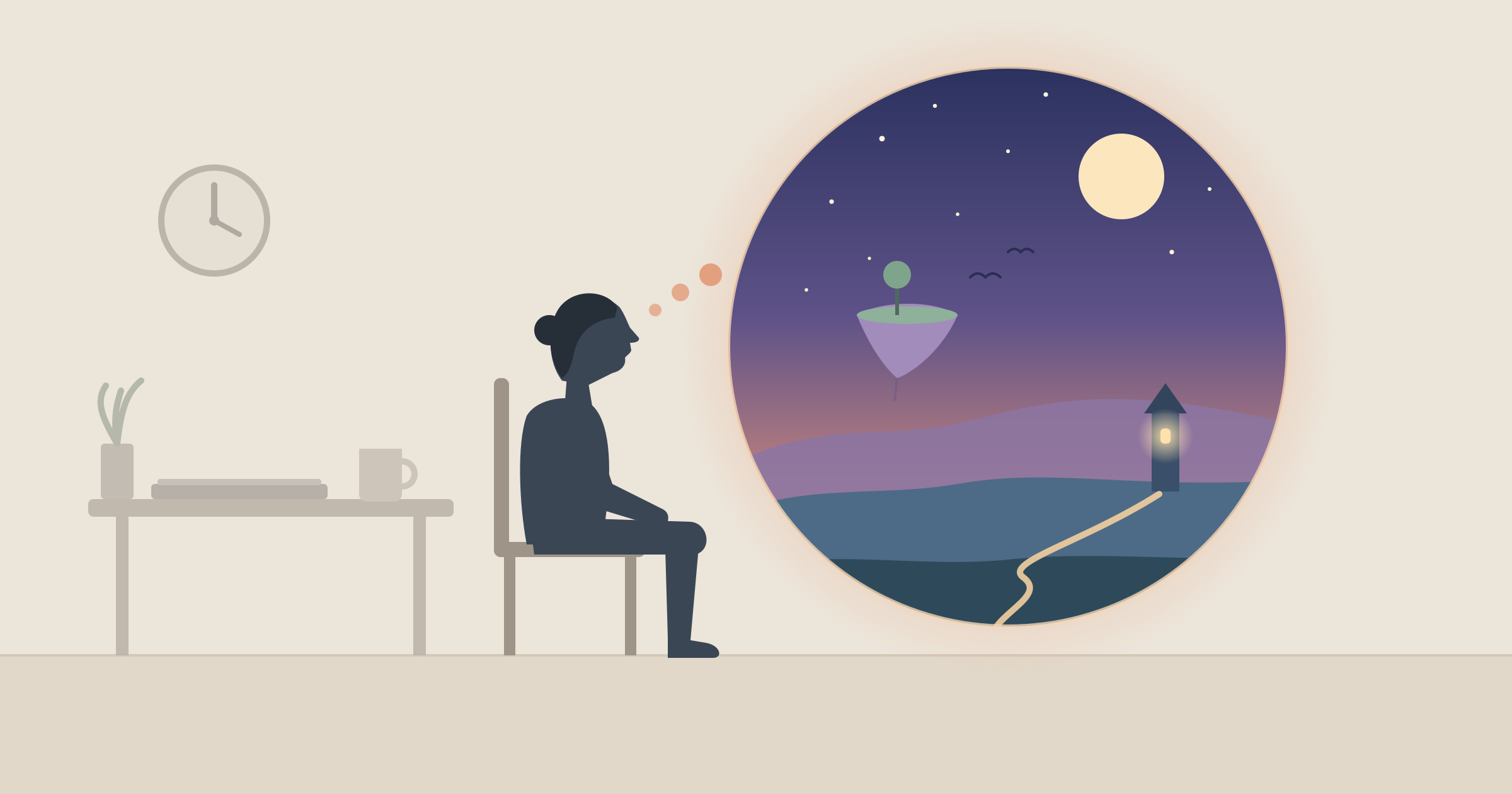
You daydream. Everyone does, and most of the time it is harmless, even pleasant. But maybe yours stopped being a passing distraction a while ago....

Not long ago, the term love bombing barely existed outside of niche psychology circles. Today it is everywhere, and that shift is no accident. The...
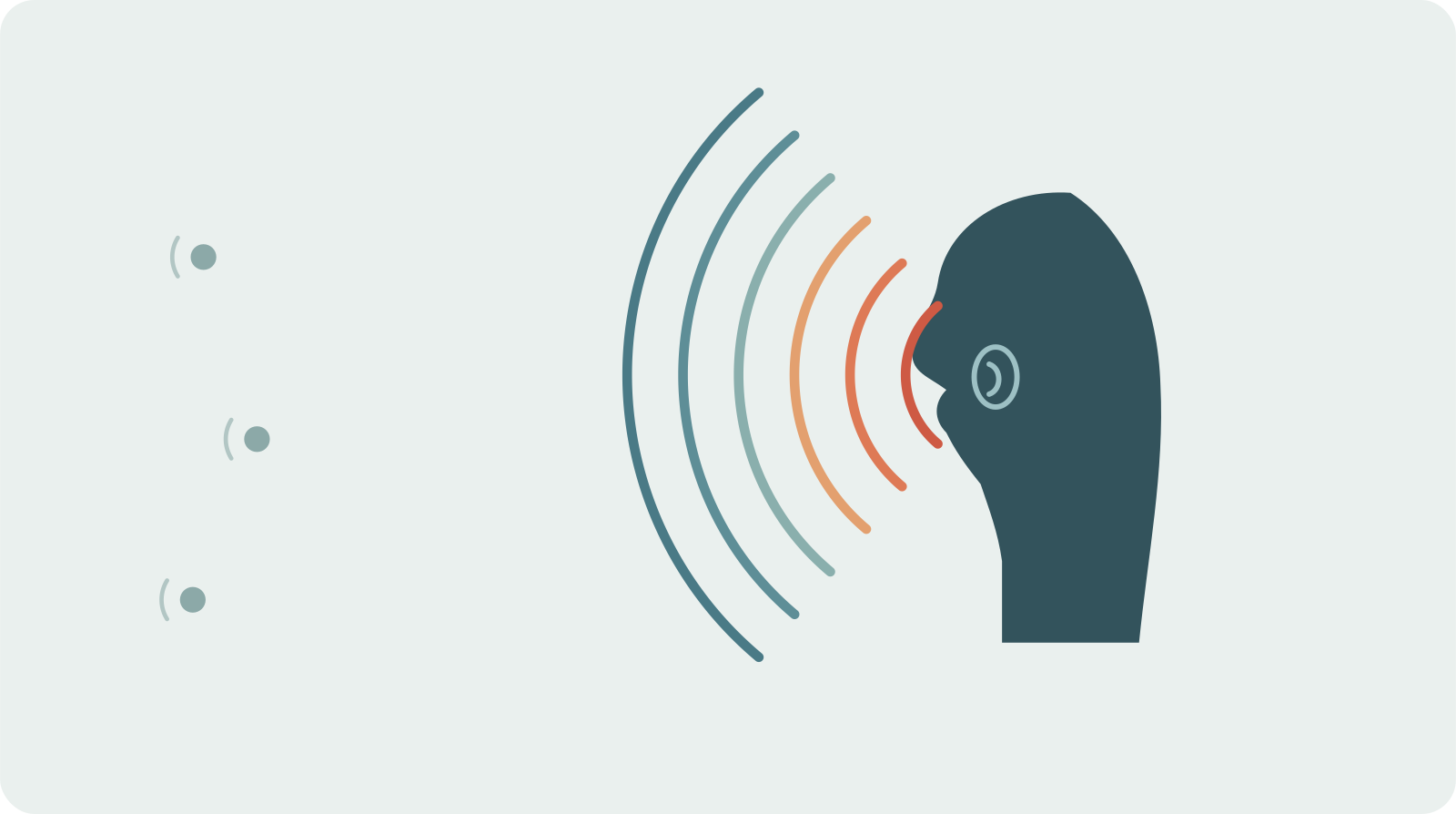
Some people cannot sit through a meal without feeling a surge of rage at the sound of chewing. Others feel their chest tighten when a colleague taps...