 Dr. Naomi Ben-Ami
What Is Maladaptive Daydreaming? Test, Symptoms, and How to Stop
You daydream. Everyone does, and most of the time it is harmless, even pleasant. But maybe yours stopped being a passing distraction a while ago....


Key Takeaways
You stare at the job posting for what feels like the hundredth time, cursor hovering over the 'Apply' button, but you can't bring yourself to click. The lease renewal sits on your kitchen counter, unsigned, while you wonder if this is really where you want to spend the next year of your life. Every choice—from career moves to relationship decisions to where to live—feels weighted with permanence, as if one wrong step could derail everything you've worked toward.
If this sounds familiar, you're not alone. Your thirties bring a unique kind of decision-making pressure that many people struggle with, often in silence. Unlike the exploratory choices of your twenties, decisions in your thirties can feel irreversible, carrying the weight of mortgages, career trajectories, family planning, and the ticking clock of societal expectations.
The thirties represent a pivotal decade where many people transition from figuring things out to feeling like they should have things figured out. This shift creates what psychologists call "decision fatigue"—the mental exhaustion that comes from making too many choices or feeling overwhelmed by the weight of important decisions.
Decision fatigue can significantly impact our ability to make sound choices, leading to avoidance, procrastination, or impulsive decisions we later regret. In your thirties, this phenomenon is compounded by several factors: increased responsibilities, awareness of time constraints, and the belief that there's a "right" path you should be following.
Many people in their thirties fall into what therapists call the "perfectionism trap"—the belief that there's one perfect choice that will lead to the ideal life, and anything less is failure. This all-or-nothing thinking creates enormous pressure around every decision, from choosing a career path to deciding whether to have children.
Perfectionism in decision-making often stems from fear of regret and a desire to control outcomes. When every choice feels like it could make or break your future happiness, the stakes feel impossibly high. This is particularly challenging in a culture that celebrates success stories while glossing over the trial-and-error nature of most fulfilling life paths.
The digital age has given us access to more information than ever before, but this abundance can become overwhelming. Studies published by the American Psychological Association demonstrate that having too many options can actually decrease satisfaction and increase anxiety about making the "wrong" choice.
In your thirties, you might find yourself researching every possible angle of a decision—reading reviews, seeking opinions, creating pro-and-con lists—but still feeling unable to move forward. This analysis paralysis occurs when the fear of making a mistake outweighs the potential benefits of taking action.
Social media and professional networks make it easier than ever to see what others are doing with their lives, creating additional pressure around decision-making. When it seems like everyone else has their life together—buying houses, getting promotions, starting families—your own uncertainty can feel like a personal failing.
This comparison trap ignores the reality that everyone's timeline is different and that the curated versions of others' lives rarely reflect the full picture of their struggles and uncertainties.
While occasional difficulty with major life decisions is normal, persistent decision paralysis can sometimes indicate underlying anxiety, depression, or other mental health concerns. If you notice that indecision is affecting multiple areas of your life, causing significant distress, or preventing you from moving forward for extended periods, it may be helpful to explore these patterns with a mental health professional.
The National Institute of Mental Health notes that anxiety disorders can significantly impact decision-making abilities, creating a cycle where fear of making the wrong choice leads to avoidance, which then increases anxiety over time.
Therapy for decision fatigue often involves learning to tolerate uncertainty and developing more flexible thinking patterns. Cognitive-behavioral therapy (CBT) can be particularly effective in helping people identify and challenge perfectionist thoughts that contribute to decision paralysis.
Many people find relief in learning that most decisions are not as permanent as they feel. Even major choices like career changes or where to live can often be adjusted over time. Therapy can help you develop decision-making frameworks that account for your values and priorities while accepting that not every choice will be perfect.
Mindfulness-based approaches can also be valuable, helping you tune into your internal wisdom rather than getting lost in endless analysis. Learning to distinguish between decisions that truly require extensive consideration and those that can be made with "good enough" information can significantly reduce decision fatigue.
*The goal isn't to make perfect decisions, but to make decisions that align with your values and allow you to keep moving forward, knowing you can adjust course as needed.*
If decision paralysis is impacting your quality of life, remember that reaching out for support is a sign of strength, not weakness. At Williamsburg Therapy Group, our therapists in Brooklyn, Austin, Miami, and via telehealth understand the unique pressures of navigating major life decisions in your thirties. Sometimes having a neutral space to explore your options and underlying concerns can provide the clarity you've been seeking.

What is decision fatigue?
Decision fatigue is the mental exhaustion that comes from making too many choices or feeling overwhelmed by the weight of important decisions. It can significantly impact your ability to make sound choices, leading to avoidance, procrastination, or impulsive decisions you later regret.
Why does decision-making feel harder in your thirties?
The thirties represent a pivotal decade where many people transition from figuring things out to feeling like they should have things figured out. Decision fatigue in this stage is compounded by increased responsibilities, awareness of time constraints, and the belief that there's a "right" path you should be following.
What is the perfectionism trap?
The perfectionism trap is the belief that there's one perfect choice that will lead to the ideal life, and anything less is failure. This all-or-nothing thinking creates enormous pressure around every decision and often stems from fear of regret and a desire to control outcomes.
What is analysis paralysis?
Analysis paralysis occurs when the fear of making a mistake outweighs the potential benefits of taking action. Studies published by the American Psychological Association show that having too many options can decrease satisfaction and increase anxiety about making the "wrong" choice, leaving you stuck even after extensive research.
How does comparison affect decision-making?
Social media and professional networks make it easier than ever to see what others are doing, creating additional pressure. When it seems like everyone else has their life together, your own uncertainty can feel like a personal failing, ignoring the reality that everyone's timeline is different.
When should decision paralysis be taken more seriously?
While occasional difficulty with major life decisions is normal, persistent decision paralysis can sometimes indicate underlying anxiety, depression, or other mental health concerns. If indecision affects multiple areas of your life, causes significant distress, or prevents you from moving forward for extended periods, it may be helpful to explore these patterns with a mental health professional.
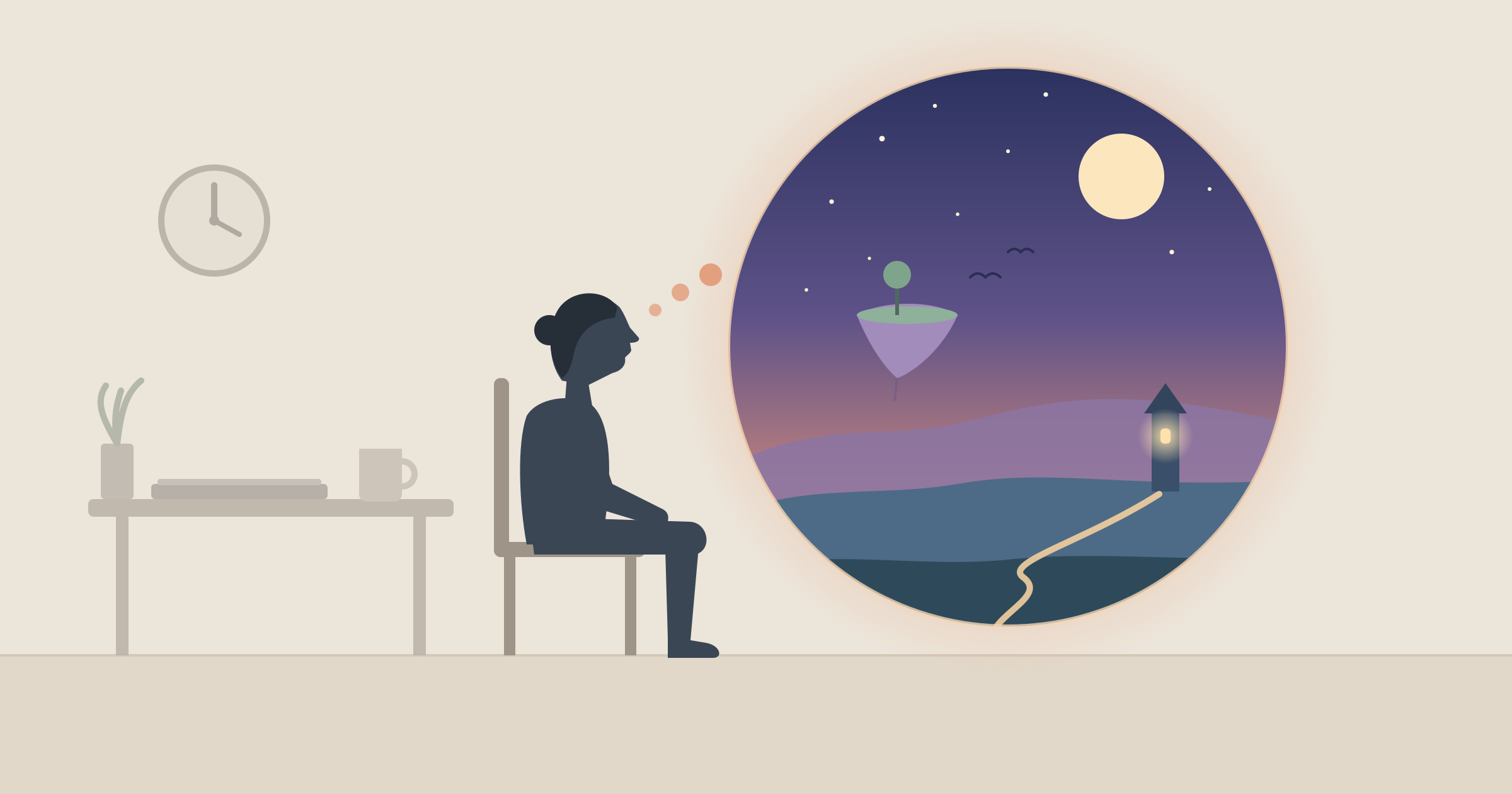
You daydream. Everyone does, and most of the time it is harmless, even pleasant. But maybe yours stopped being a passing distraction a while ago....

Not long ago, the term love bombing barely existed outside of niche psychology circles. Today it is everywhere, and that shift is no accident. The...
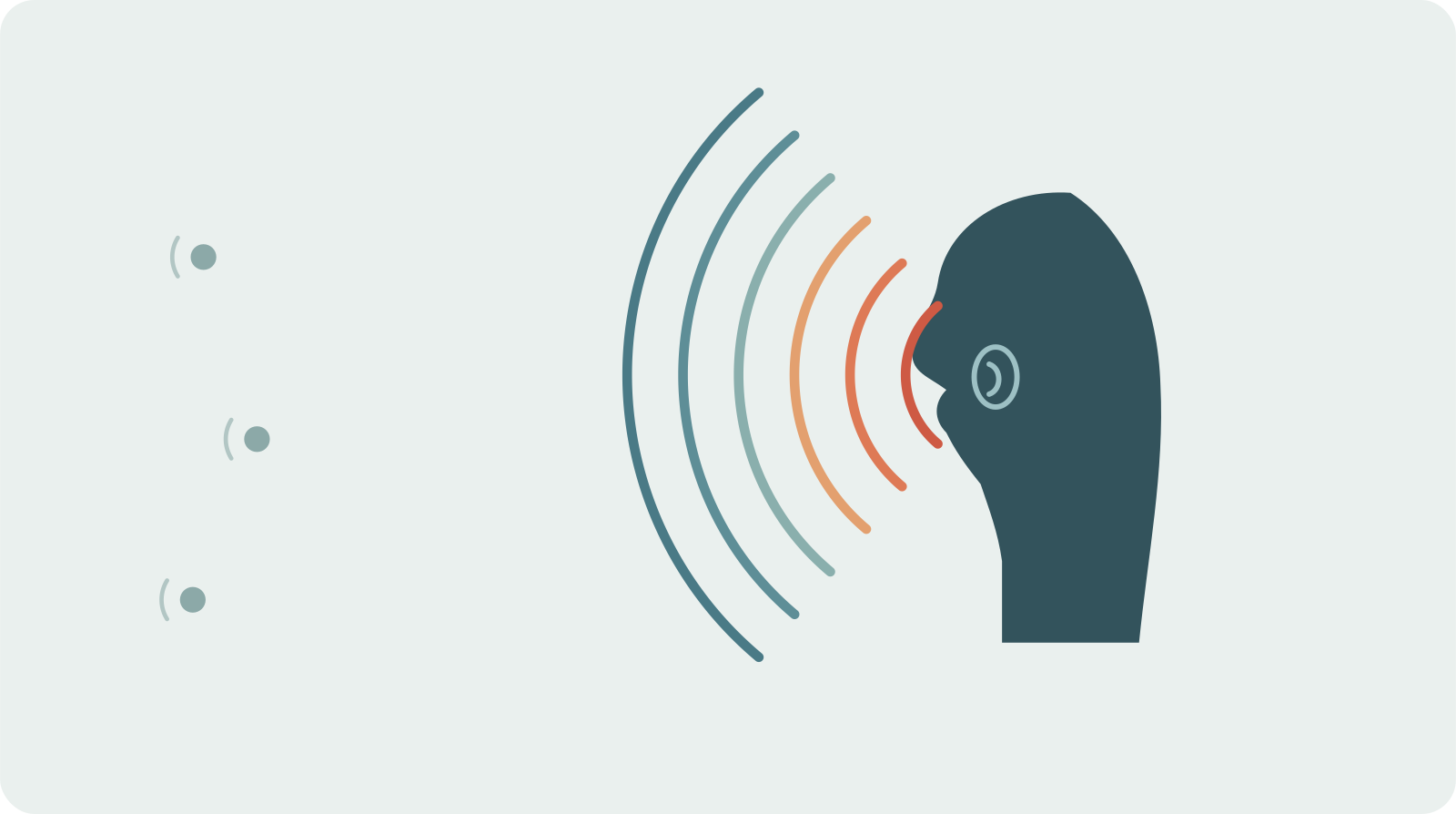
Some people cannot sit through a meal without feeling a surge of rage at the sound of chewing. Others feel their chest tighten when a colleague taps...