 Dr. Naomi Ben-Ami
What Is Maladaptive Daydreaming? Test, Symptoms, and How to Stop
You daydream. Everyone does, and most of the time it is harmless, even pleasant. But maybe yours stopped being a passing distraction a while ago....


Key Takeaways
You've been thinking about it for months, maybe years—the possibility of completely cutting off contact with family members who consistently hurt you. The very thought feels both terrifying and liberating, leaving you wondering if you're overreacting or finally taking the step you should have taken long ago. You're not alone in this internal struggle, and you're certainly not the first person to consider whether no contact might be the healthiest path forward.
What was once considered unthinkable is becoming increasingly common. Research shows that family estrangement affects millions of Americans, with adult children making up the largest group initiating no-contact relationships. This shift reflects a broader cultural movement toward prioritizing mental health over traditional family obligations.
The rise in no contact family boundaries isn't happening in a vacuum. Social media has created platforms where people can share their experiences with toxic family dynamics, reducing the shame and isolation that once kept these decisions hidden. Mental health awareness has also empowered individuals to recognize that blood relation doesn't automatically grant someone the right to mistreat you.
Toxic family relationships often involve patterns that go far beyond typical family conflicts. These dynamics typically include emotional manipulation, consistent boundary violations, verbal or physical abuse, and a refusal to acknowledge harmful behavior. Unlike healthy disagreements that can be resolved through communication, toxic patterns persist despite repeated attempts at resolution.
Family members who engage in toxic behavior often use guilt, obligation, and fear to maintain control. They may employ tactics like gaslighting, where they deny or minimize their harmful actions, leaving you questioning your own perceptions. Studies published by the National Institute of Mental Health indicate that chronic exposure to such environments can lead to anxiety, depression, and complex trauma responses that persist well into adulthood.
The concept of "family loyalty" is frequently weaponized in these situations, with toxic family members and even well-meaning outsiders suggesting that you should forgive and maintain contact regardless of the harm being done. This cultural pressure can make it incredibly difficult to trust your own judgment about what's best for your mental health.
Making the decision to go no contact involves a complex psychological process that often takes years to unfold. Many people exhaust multiple attempts at setting boundaries, having difficult conversations, and trying to repair damaged relationships before concluding that distance is necessary for their wellbeing.
The grieving process that accompanies no contact decisions is real and significant. You're not just losing the actual relationship—you're also grieving the relationship you hoped to have, the family you wanted, and sometimes the support system you thought you could count on. This grief can be particularly complicated because the person you're grieving is still alive, just no longer part of your life.
Psychologists recognize that no contact can be a form of self-preservation rather than punishment. When someone consistently violates your boundaries and shows no willingness to change harmful behaviors, removing yourself from the situation may be the most psychologically healthy choice available.
Certain patterns signal when no contact family boundaries might be worth considering. These include situations where family members consistently refuse to respect your clearly stated boundaries, engage in behavior that threatens your physical or emotional safety, or demonstrate a pattern of manipulation that leaves you feeling depleted and confused after every interaction.
Another significant indicator is when attempts at limited contact or structured boundaries consistently fail. Some people try graduated approaches—reducing contact, setting specific rules for interaction, or only meeting in public spaces—but find that toxic family members either ignore these boundaries or use them as opportunities for further manipulation.
Research suggests that adult children who choose estrangement often report feeling relief rather than regret in the initial period following their decision. This response can be particularly strong for those who have endured years of gaslighting or emotional abuse.
Therapy can provide invaluable support when considering no contact decisions. A skilled therapist can help you differentiate between typical family challenges and genuinely toxic dynamics, while also providing tools for managing the complex emotions that arise during this process. Working with a professional can help ensure that your decision comes from a place of self-care rather than reactive anger.
Building a chosen family and support network becomes crucial when biological family relationships aren't healthy. This might include close friends, romantic partners, mentors, or community members who demonstrate the respect and care that should characterize family relationships. Creating new traditions and support systems can help fill the void left by family estrangement.
Some people find it helpful to start with temporary no contact periods to assess how they feel without the constant stress of toxic family dynamics. This can provide clarity about whether the relationship is salvageable or whether permanent distance is necessary for your mental health.
Sometimes the most loving thing you can do for yourself—and ultimately for others—is to step away from relationships that consistently cause harm.
Navigating no contact family boundaries is rarely a decision you should make alone, and working through these complex dynamics often benefits from professional guidance. Whether you're considering estrangement or trying to heal from existing family trauma, having support can make all the difference in your mental health journey. Our family therapists in Brooklyn, Austin, Miami, and through telehealth understand the unique challenges of family relationships and can provide the compassionate, non-judgmental space you need to explore your options and heal from family-related trauma.

What does "no contact" with family mean?
No contact means completely cutting off communication with family members who consistently hurt you. Research shows family estrangement affects millions of Americans, with adult children making up the largest group initiating no-contact relationships. The shift reflects a broader cultural movement toward prioritizing mental health over traditional family obligations.
What do toxic family dynamics look like?
Toxic family relationships involve patterns that go far beyond typical family conflicts. They typically include emotional manipulation, consistent boundary violations, verbal or physical abuse, and a refusal to acknowledge harmful behavior. Toxic family members often use guilt, obligation, and fear to maintain control, and may employ gaslighting, denying or minimizing their harmful actions until you question your own perceptions.
Why is going no contact such a difficult decision?
The decision involves a complex psychological process that often takes years. Many people exhaust multiple attempts at setting boundaries, having difficult conversations, and trying to repair damaged relationships before concluding distance is necessary. There's also real grief involved, you're grieving not just the actual relationship but the relationship you hoped to have and sometimes the support system you thought you could count on.
Is going no contact a form of punishment?
No. Psychologists recognize that no contact can be a form of self-preservation rather than punishment. When someone consistently violates your boundaries and shows no willingness to change harmful behaviors, removing yourself from the situation may be the most psychologically healthy choice available.
When are no contact boundaries necessary?
Signs include family members consistently refusing to respect clearly stated boundaries, engaging in behavior that threatens your physical or emotional safety, or showing a pattern of manipulation that leaves you depleted and confused after every interaction. Another indicator is when limited contact or structured boundaries consistently fail, with toxic family members either ignoring them or using them as opportunities for further manipulation.
What helps in making and processing this decision?
Therapy can help you differentiate between typical family challenges and genuinely toxic dynamics while providing tools for managing the complex emotions involved. Building a chosen family and support network becomes crucial, including close friends, partners, mentors, or community members. Some people find it helpful to start with temporary no contact periods to assess how they feel without the constant stress.
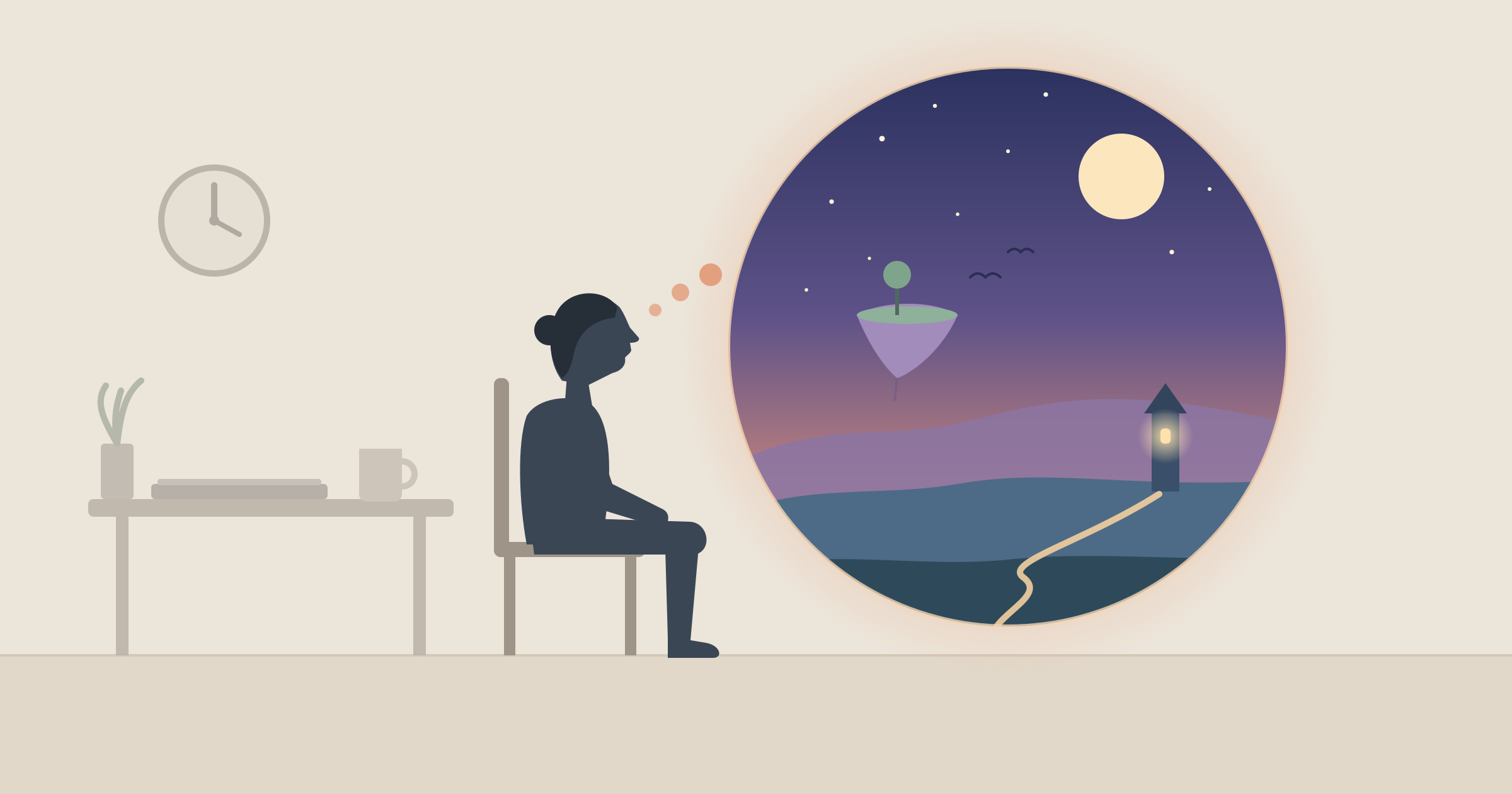
You daydream. Everyone does, and most of the time it is harmless, even pleasant. But maybe yours stopped being a passing distraction a while ago....

Not long ago, the term love bombing barely existed outside of niche psychology circles. Today it is everywhere, and that shift is no accident. The...
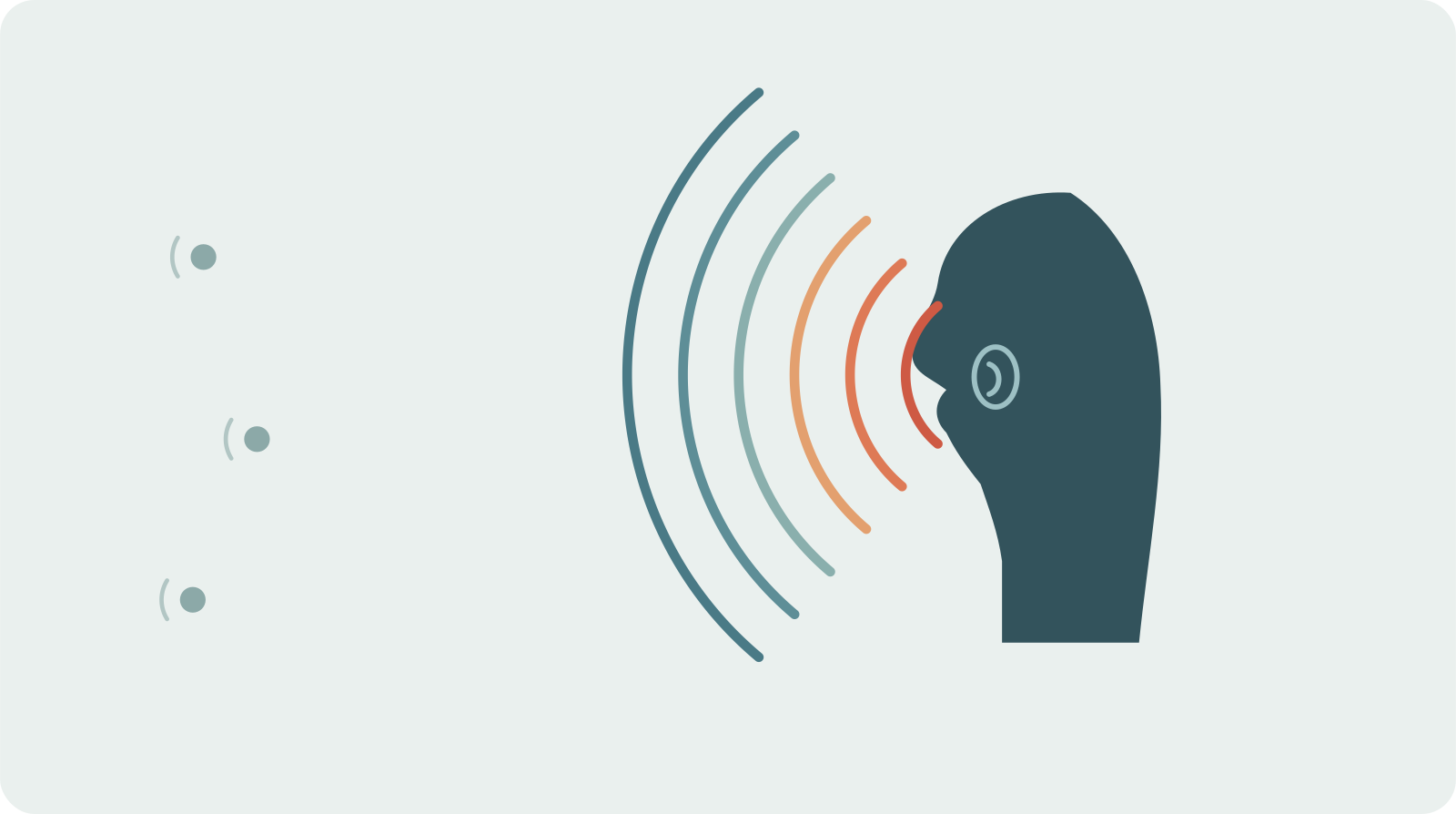
Some people cannot sit through a meal without feeling a surge of rage at the sound of chewing. Others feel their chest tighten when a colleague taps...