Key Takeaways
- Remote work burnout is a distinct form of occupational stress that traditional burnout advice often misses entirely.
- "Boundary collapse" happens when work and home share the same physical space, leaving your nervous system stuck in low-level activation without the environmental cues that normally signal transitions.
- The isolation paradox of remote work means feeling simultaneously overstimulated by digital connection and lonely from lack of in-person contact, plus an "always-on" trap and high cognitive load from constant self-regulation.
- Physical and temporal boundaries, intentional social connection, and nervous system regulation are key to recovery, and professional support can help when symptoms persist.
You've been staring at the same four walls for months, your kitchen table has become command central, and somehow you're more exhausted than when you had a commute. The lines between work and home have blurred so completely that you find yourself checking emails at midnight and struggling to feel "done" at the end of any day. What you're experiencing isn't just regular workplace stress—it's something uniquely challenging about remote work that most burnout advice doesn't even touch.
You're not alone in this struggle, and you're not imagining the distinct heaviness that comes with working from home. Remote work burnout has emerged as a specific form of occupational stress that carries its own psychological complexities, ones that traditional workplace wellness strategies often miss entirely.
What Is Boundary Collapse in Remote Work?
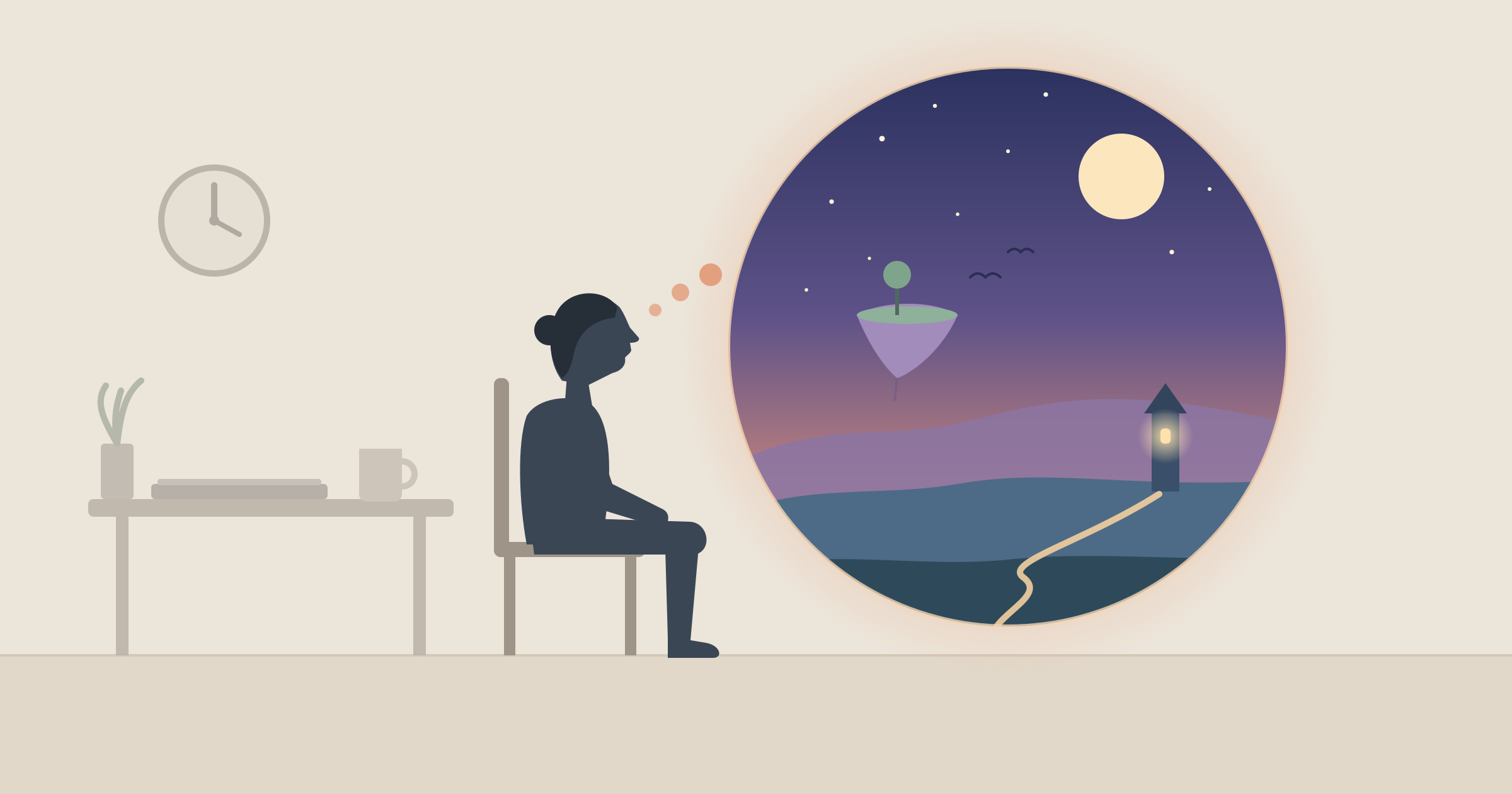
When your bedroom becomes your boardroom, something fundamental shifts in your brain's ability to create psychological boundaries. This phenomenon, known as boundary theory, explains why many remote workers feel perpetually "on" even when they're technically off the clock.
Your brain relies on environmental cues to signal different modes of being. The commute, the office building, even the act of changing clothes all served as psychological transitions that helped separate work identity from personal identity. Without these external markers, your nervous system struggles to downshift from work mode, leaving you in a chronic state of low-level activation.
This boundary collapse creates what researchers call "role ambiguity"—you're simultaneously the employee, the homemaker, the parent, and the individual trying to maintain some sense of personal identity, all within the same physical space. The American Psychological Association has noted that this kind of role confusion significantly contributes to psychological distress and feelings of being overwhelmed.
Why Does Remote Work Feel So Isolating?
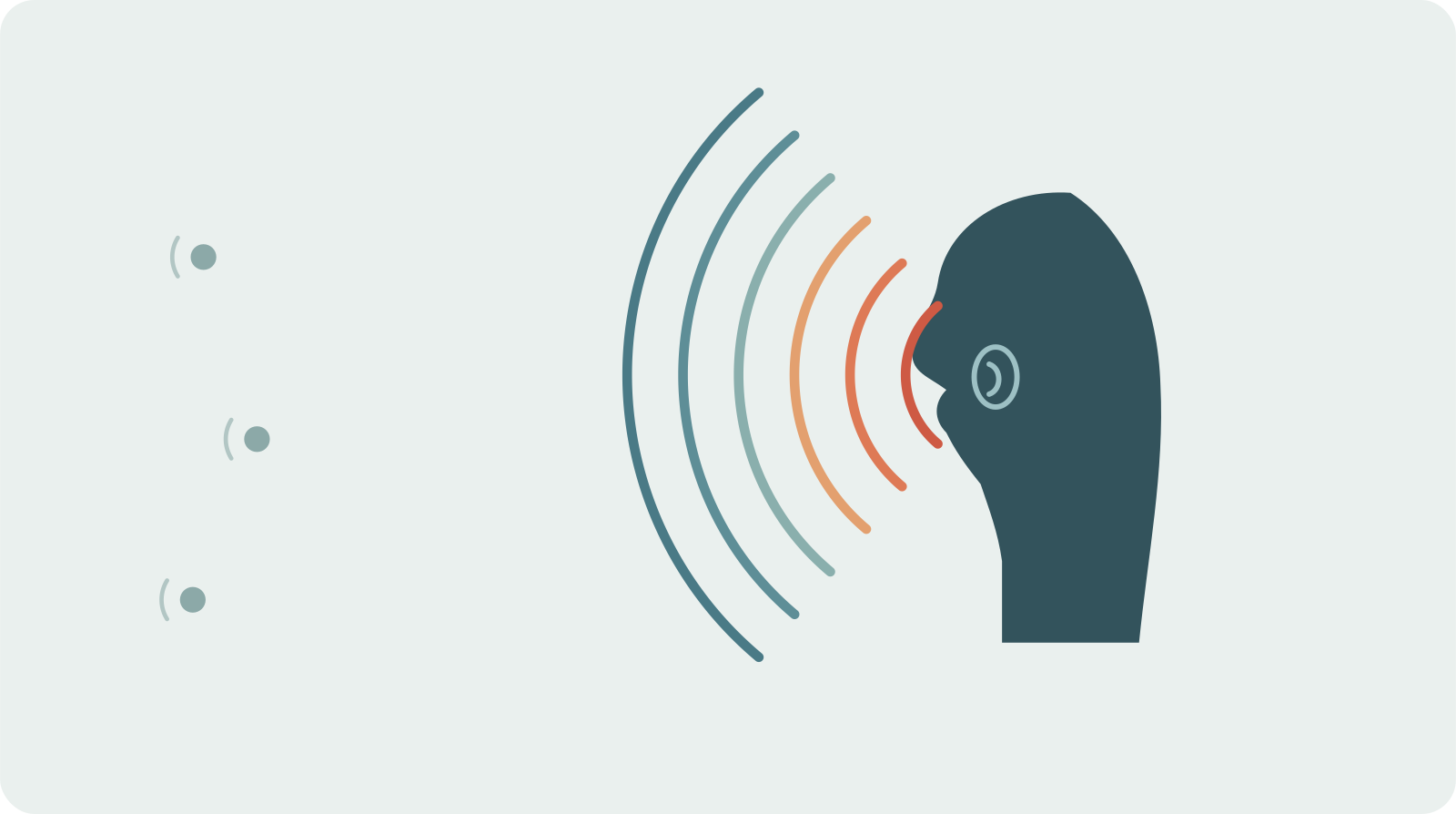
Remote work burnout often includes a particularly painful contradiction: feeling simultaneously overstimulated by constant digital connection and profoundly lonely from lack of human contact. You might find yourself exhausted by back-to-back video calls yet craving the casual conversations that used to happen naturally in shared workspaces.
This isolation goes beyond missing office small talk. Humans are wired for what psychologists call "social facilitation"—we literally perform differently when others are around. Working alone removes this subtle but important source of motivation and energy. The absence of casual social interactions, known as "weak ties" in social psychology research, can significantly impact both mood and creativity.
The digital nature of remote communication also lacks many of the non-verbal cues that help us feel connected and understood. You're working harder to communicate and connect, but getting less of the social nourishment that naturally occurs in person. Studies from the National Institute of Mental Health have shown that this kind of social disconnection can contribute to both anxiety and depressive symptoms.
What Is the Always-On Trap?
Remote work often creates what researchers call "availability creep"—the gradual expansion of when you feel obligated to be reachable and responsive. Without the natural boundaries of office hours and physical location, many remote workers find themselves checking messages earlier in the morning, later at night, and throughout weekends.
This constant connectivity triggers your brain's threat detection system in subtle ways. Each notification becomes a small stressor, and the fear of missing something important keeps your nervous system in a state of hypervigilance. Over time, this chronic low-level stress accumulates into the exhaustion and overwhelm characteristic of remote work burnout.
The home environment, which should serve as a place of restoration, becomes associated with work stress. Your brain begins to anticipate work demands even during personal time, making genuine relaxation increasingly difficult to achieve.
What Is the Hidden Cognitive Load of Remote Work?
Remote work often involves managing more decisions and distractions than office work. You're constantly navigating choices about when to work, where to work, how to structure your day, and how to manage competing demands from household responsibilities. This increased decision-making, combined with managing your own motivation and accountability, creates a significant cognitive load.
Research published in the Journal of Applied Psychology has shown that this kind of self-regulation is mentally exhausting and depletes the same psychological resources needed for focus, creativity, and emotional regulation.
When Is Remote Work Burnout Something More Serious?
While remote work burnout is a legitimate response to unique stressors, sometimes the symptoms signal underlying mental health conditions that benefit from professional attention. If you're experiencing persistent sleep disturbances, significant changes in appetite, feelings of hopelessness that extend beyond work frustrations, or thoughts of self-harm, these may be signs of depression or anxiety disorders that have been triggered or worsened by remote work conditions.
Pay attention to whether your struggles with remote work are accompanied by a loss of interest in activities you once enjoyed, difficulty concentrating even during personal time, or persistent feelings of worthlessness. These symptoms suggest that what started as situational stress may have developed into something that requires clinical support.
What Actually Helps With Remote Work Burnout?
Creating physical and temporal boundaries becomes crucial when working from home. This might mean establishing a dedicated workspace, even if it's just a specific corner of a room, and developing rituals that signal the beginning and end of your workday. Some people find that changing clothes, taking a short walk, or even just closing their laptop with intention helps create the psychological separation their brain needs.
Reconnecting with your social support system requires more intentional effort in remote work. This could involve scheduling regular check-ins with colleagues that aren't work-focused, joining virtual coworking sessions, or finding ways to work occasionally from spaces where other people are present. The goal isn't necessarily to replicate office dynamics, but to ensure you're getting enough human connection to support your mental health.
Paying attention to your nervous system's need for regulation can make a significant difference. This might involve incorporating brief mindfulness practices between video calls, ensuring you're getting natural light and fresh air during your workday, or recognizing when you need to step away from screens entirely.
*Remote work burnout isn't a personal failing—it's a natural response to an unnatural working situation that our brains haven't fully adapted to yet.*
Recognizing that you're struggling with remote work burnout is actually a sign of self-awareness, not weakness. If these challenges feel overwhelming or persistent, talking with a mental health professional who understands the unique stresses of remote work can provide both relief and practical strategies. At Williamsburg Therapy Group, our therapists in Brooklyn, Austin, and Miami, as well as through telehealth, work with many people navigating the complexities of modern work life and its impact on mental health. You don't have to figure this out alone.
Frequently Asked Questions
What is remote work burnout?
Remote work burnout is a specific form of occupational stress that emerges from working at home long-term. It carries its own psychological complexities that traditional workplace wellness strategies often miss, including boundary collapse, isolation, "always-on" pressure, and increased cognitive load.
What is boundary collapse in remote work?
Boundary collapse happens when your bedroom becomes your boardroom and your brain loses the environmental cues that normally separate work and personal life. Things like a commute, an office building, or changing clothes used to act as psychological transitions. Without them, your nervous system struggles to downshift from work mode, leaving you in chronic low-level activation.
Why does remote work feel so isolating even with constant video calls?
Remote work creates a paradox of feeling overstimulated by digital connection while being lonely due to a lack of in-person contact. Humans are wired for "social facilitation," meaning we perform differently when others are around. The absence of casual social interactions, or "weak ties," can significantly impact mood and creativity, and digital communication lacks many non-verbal cues that help us feel connected.
What is the "always-on" trap?
The always-on trap is what researchers call "availability creep," the gradual expansion of when you feel obligated to be reachable. Without natural boundaries of office hours and location, many remote workers find themselves checking messages earlier, later, and on weekends. This constant connectivity triggers your brain's threat detection system and keeps your nervous system in hypervigilance.
When is remote work burnout something more serious?
Persistent sleep disturbances, significant changes in appetite, feelings of hopelessness extending beyond work frustrations, or thoughts of self-harm may signal depression or anxiety disorders triggered or worsened by remote work. Loss of interest in activities you once enjoyed, difficulty concentrating even during personal time, or persistent feelings of worthlessness suggest situational stress may have developed into something requiring clinical support.
What actually helps with remote work burnout?
Creating physical and temporal boundaries is crucial, like establishing a dedicated workspace and developing rituals that signal the start and end of your workday. Reconnecting with your social support system through non-work check-ins or virtual coworking sessions helps, too. Paying attention to your nervous system through mindfulness, natural light, and stepping away from screens can also make a real difference.
 Dr. Naomi Ben-Ami