 Williamsburg Therapy Group
What Is Maladaptive Daydreaming? Test, Symptoms, and How to Stop

You daydream. Everyone does, and most of the time it is harmless, even pleasant. But maybe yours stopped being a passing distraction a while ago....



Mental health symptoms of perimenopause and menopause have not always been a topic of public conversation. However, as Gen X and Millennial individuals head into the menopause years, more outlets have started to discuss the mental health challenges and physical symptoms of menopause transition. Most women can identify hot flashes as a symptom, but what about mood symptoms and cognitive impairment? Let's explore some of the common challenges of perimenopausal women and how they can impact those with existing mental health conditions.
Perimenopause is a natural transition in a woman’s life, marked by physical and emotional symptoms, including hot flashes, night sweats, vaginal dryness, weight gain, irregular periods or irregular vaginal bleeding, and cognitive changes as the menstrual cycle winds down.
The menopausal transition can affect mental health, with many women experiencing anxiety symptoms, depressive symptoms, and mood changes. Hormonal changes during perimenopause can impact brain health, leading to cognitive issues such as brain fog, difficulty concentrating, and memory problems.
The North American Menopause Society provides guidance on managing menopausal symptoms, including HRT and lifestyle changes.
Perimenopause is defined as the time period during which women experience hormonal changes, leading to irregular menstrual periods, vasomotor symptoms, cognitive deficits, and and other physical symptoms.
The duration of perimenopause can vary, but it typically lasts between 2-8 years, ending with menopause (cessation of menarche). Menopause is marked by 12 months without menstrual periods, and it can be confirmed through blood tests measuring follicle-stimulating hormone (FSH) levels.
Understanding the definition and duration of perimenopause can help women prepare for and manage symptoms with hormone treatment and lifestyle changes.
Symptoms during perimenopause can include memory problems, difficulty concentrating, and decreased cognitive function. Other symptoms of perimenopause and menopause can include:
Cognitive complaints are common among perimenopausal women, and they can be addressed through hormone therapy and lifestyle changes.
Emotional symptoms during perimenopause can include mood changes, anxiety symptoms, and depression. Many women experience mental health challenges, including mood disorders, during the menopausal transition.
Perimenopausal depression is a common condition and may be more likely to occur in those who have already experienced major depressive disorder. It can be treated with hormone therapy, antidepressants, and lifestyle changes.
Mental health issues, such as anxiety and depression, can be exacerbated by sleep disturbances, hot flashes, and night sweats.
Hormone replacement therapy (HRT) is a common treatment for symptoms, including hot flashes, night sweats, and cognitive changes. HRT can help alleviate cognitive symptoms, such as memory problems and difficulty concentrating, by stabilizing hormone levels.
However, HRT is not without risks, and it can increase the risk of blood clots, cardiovascular disease, and certain types of cancer. The North American Menopause Society recommends HRT for women with severe menopausal symptoms, but it should be used under the guidance of a healthcare provider.
Lifestyle changes can help manage certain symptoms of menopause, including cognitive and emotional symptoms. Some strategies include:
Women’s health providers can offer guidance on lifestyle changes and treatment options for menopausal symptoms.
Managing symptoms during perimenopause requires a comprehensive approach, including lifestyle changes, hormone therapy, and alternative therapies. Women can take steps to manage their symptoms, such as keeping a symptom journal, practicing self-care, and seeking support from friends and family.
Healthcare providers can offer guidance on treatment options, including hormone therapy, antidepressants, and alternative therapies.
The menopause transition can be a challenging time, but with the right support and treatment, women can manage their symptoms and improve their quality of life.
Menopausal hormone therapy can have both positive and negative effects on symptoms of perimenopause, like cognitive function, depending on the timing and duration of treatment.
Estrogen therapy started during perimenopause may help alleviate cognitive issues, such as memory problems and difficulty concentrating. However, estrogen therapy started on postmenopausal women may not have the same cognitive benefits and may even increase the risk of cognitive decline.
Women should discuss the risks and benefits of hormone therapy with their healthcare provider to determine the best course of treatment for their individual needs.
Diagnosis of perimenopause is typically based on symptoms, medical history, and physical examination. Treatment options for perimenopause include hormone therapy, lifestyle changes, and alternative therapies.
Women should work with their healthcare provider to develop a personalized treatment plan that addresses their unique symptoms and needs. Regular check-ups and follow-up appointments can help women manage their symptoms and adjust their treatment plan as needed.
Perimenopause can have a significant impact on daily life, including relationships, work, and overall well-being. Women may experience mood changes, anxiety symptoms, and depressive symptoms, which can affect their daily activities and interactions.
Many women find that vasomotor symptoms like hot flashes, night sweats, and sleep disturbances can also impact daily life, making it challenging to manage work, family, and social responsibilities.
Women can take steps to manage their symptoms and improve their quality of life, such as prioritizing self-care, seeking support, and practicing stress management techniques.
Nutrition plays a critical role in managing perimenopause symptoms, including hot flashes, night sweats, and cognitive changes. A healthy diet rich in fruits, vegetables, whole grains, and lean protein can help alleviate symptoms and support overall health.
Women should also stay hydrated, limit processed foods and sugar, and avoid triggers that can exacerbate symptoms.
Women’s health providers can offer guidance on nutrition and lifestyle changes to help manage perimenopause symptoms.
Alternative therapies, such as acupuncture, yoga, and meditation, can help manage perimenopause symptoms, including hot flashes, night sweats, and mental health symptoms like mood changes and cognitive impairment.
These therapies can also help reduce stress, improve sleep, and support overall well-being. Women should discuss alternative therapies with their healthcare provider to determine the best course of treatment for their individual needs.
Alternative therapies can be used in conjunction with hormone therapy and lifestyle changes to manage perimenopause symptoms.
The perimenopausal transition is a natural transition in a woman’s life, marked by physical and emotional symptoms. Women can take steps to manage their symptoms, including lifestyle changes, hormone therapy, and alternative therapies. Healthcare providers can offer guidance on treatment options and help women develop a personalized plan for managing their mood symptoms and improving their overall mental health.
Support is key. At Williamsburg Therapy Group our clinical practice of doctoral-level Chicago psychotherapists allows you to work with a trained professional that can offer a variety of practical strategies that can help you learn to identify signs of mood symptoms and cognitive dysfunction or cognitive decline in perimenopausal women and take steps to improve cognitive performance.
If you have noticed mood disturbances or signs of perimenopausal depression, reach out to our customer service coordinator to get matched with a professional who can offer tools and strategies to prioritize self-care in daily life, navigate how your body responds to nervous system stimuli, and teach you how to manage the emotional and cognitive effects of shifting reproductive hormones in natural menopause or surgical menopause.

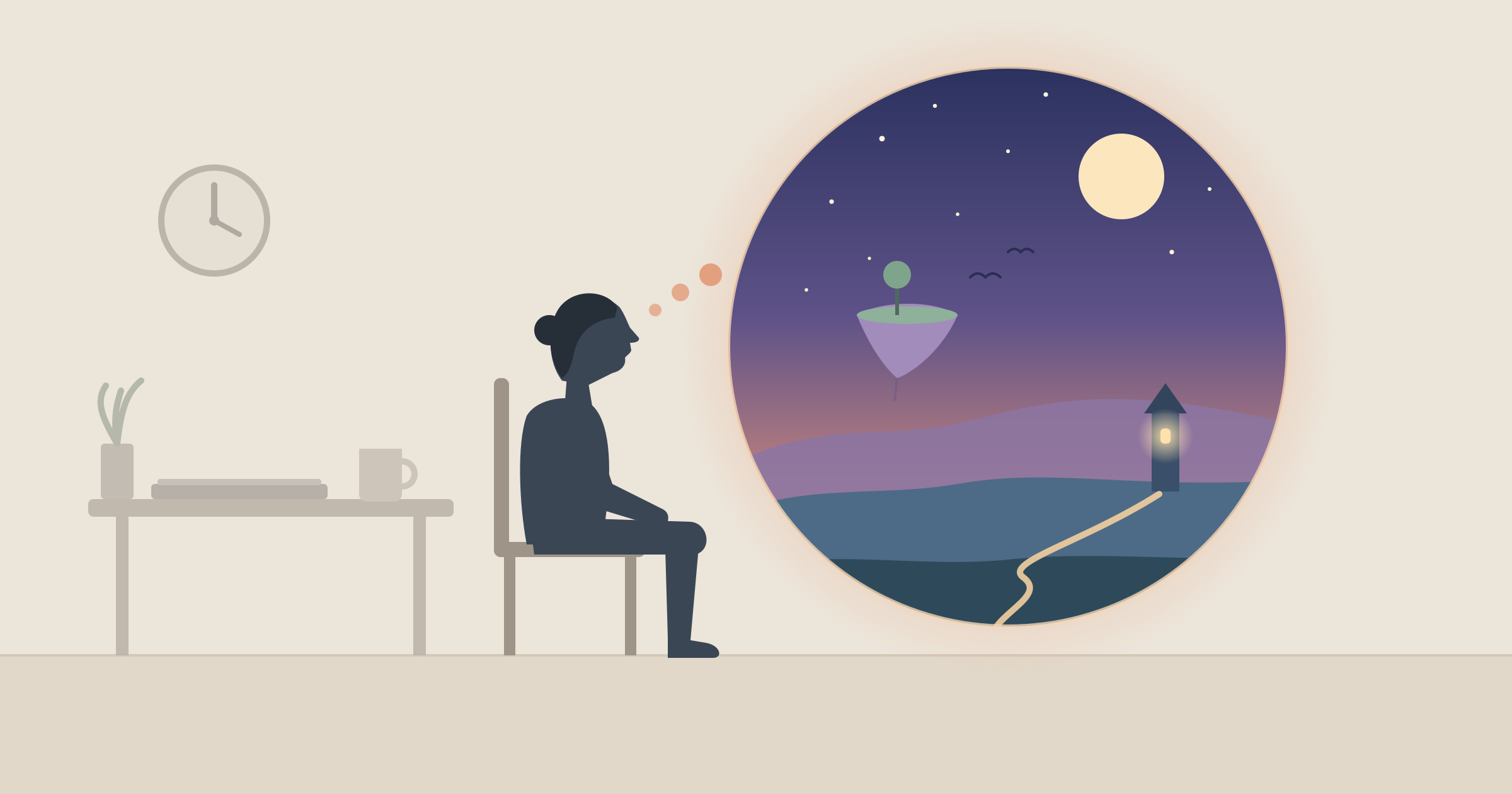
You daydream. Everyone does, and most of the time it is harmless, even pleasant. But maybe yours stopped being a passing distraction a while ago....
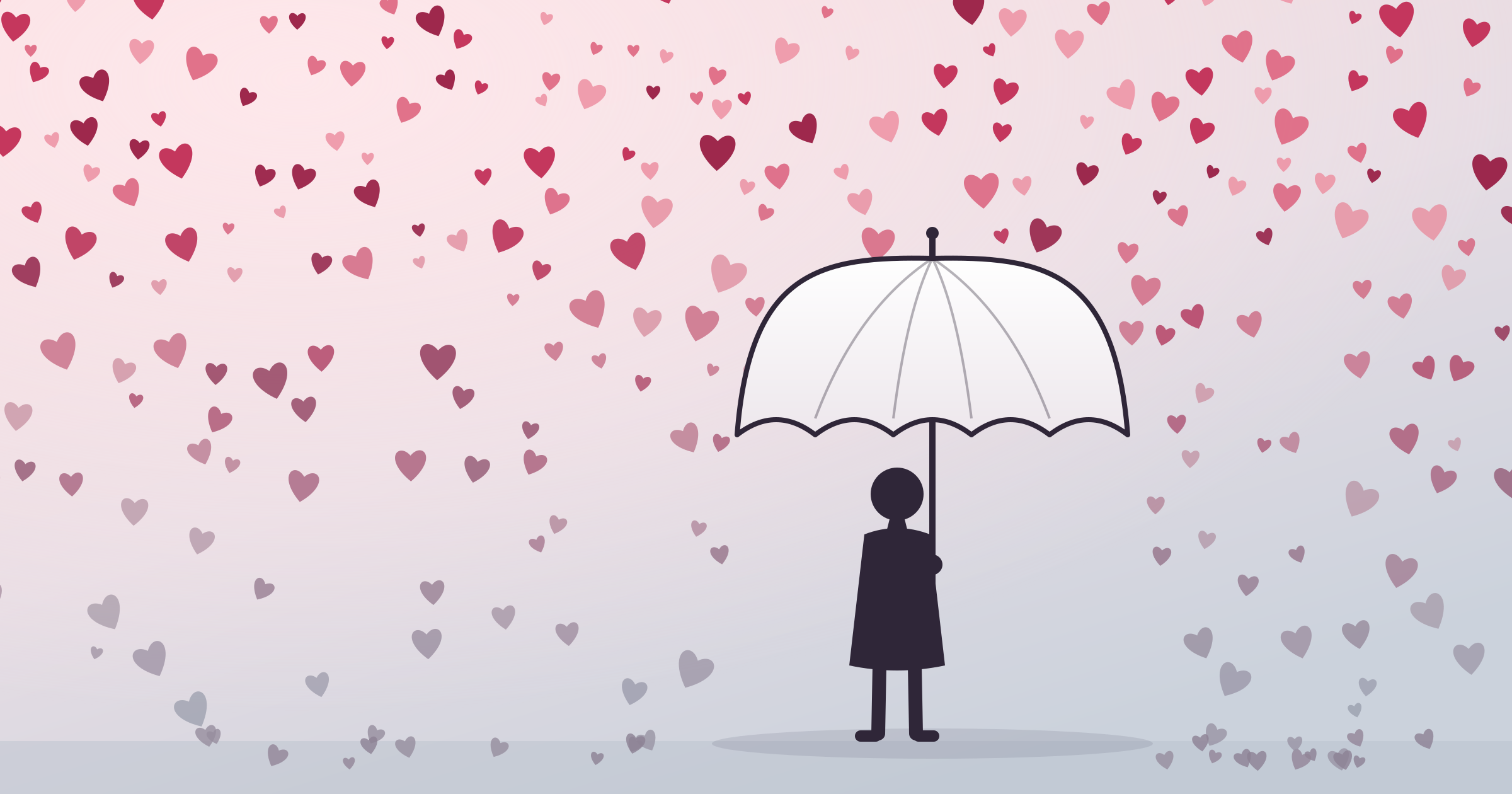
Not long ago, the term love bombing barely existed outside of niche psychology circles. Today it is everywhere, and that shift is no accident. The...
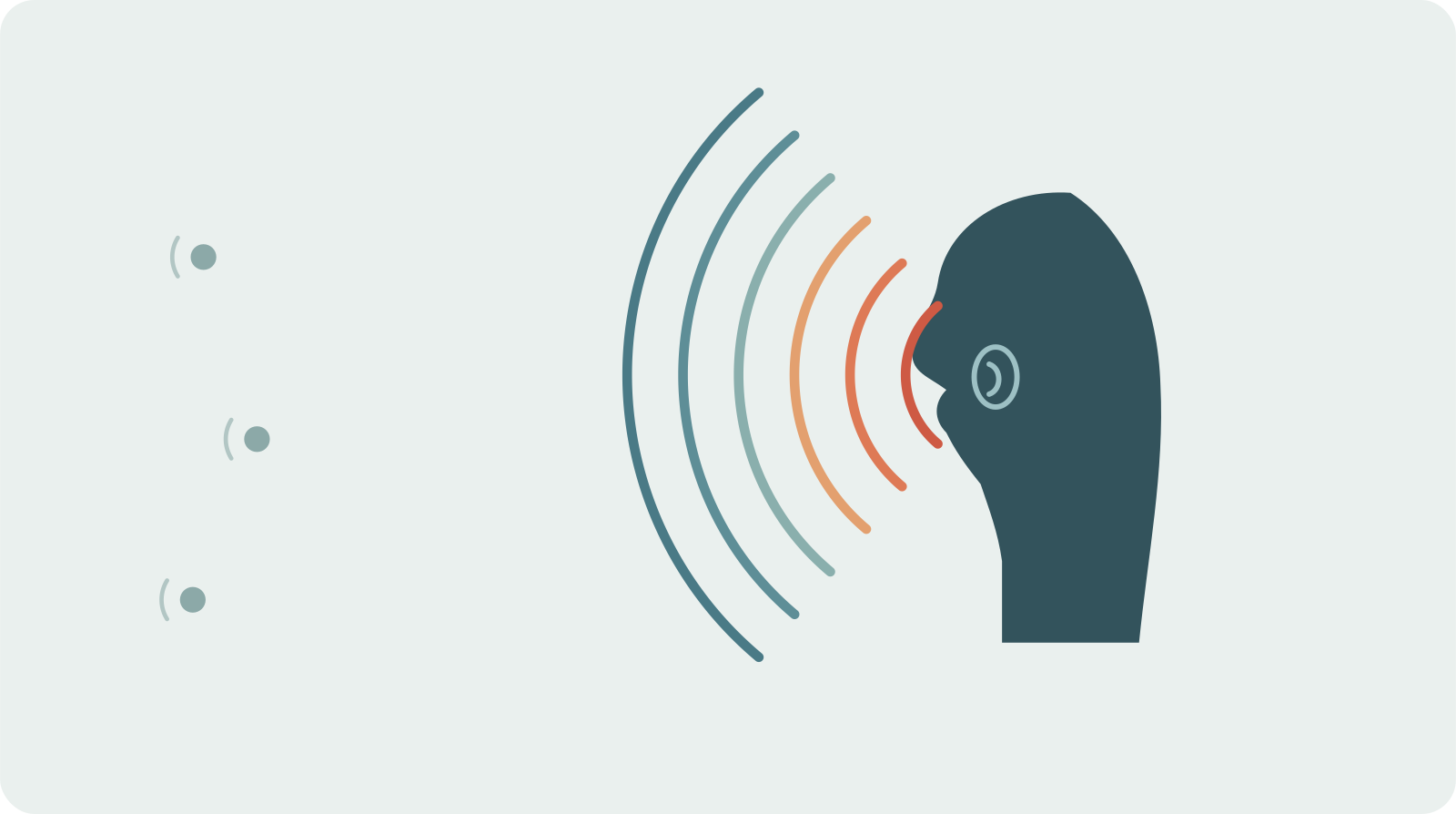
Some people cannot sit through a meal without feeling a surge of rage at the sound of chewing. Others feel their chest tighten when a colleague taps...