 Williamsburg Therapy Group
What Is Maladaptive Daydreaming? Test, Symptoms, and How to Stop

You daydream. Everyone does, and most of the time it is harmless, even pleasant. But maybe yours stopped being a passing distraction a while ago....



Emotional intimacy can happen with a platonic relationship or an intimate one. In some cases, you may start out as friends but then develop romantic feelings for a person. This isn't an unusual scenario when you develop a strong connection and spend time together. In this article we'll explore a bit more about love, as well as share advice on how to navigate friendship moving forward, whether you decide to become romantic partners, bury unrequited feelings, or decide to remain "just friends."
Falling in love with a best friend is a common experience in romantic relationships, and it’s essential to understand your feelings before acting on them. Developing romantic feelings for a friend can be confusing, but it’s important to acknowledge and evaluate these emotions to maintain a healthy relationship.
Romantic love can grow from a strong friendship, and it’s worth exploring if you’ve developed feelings for your best friend. However, before moving forward, it's important to understand the risks and benefits of pursuing a romantic relationship with a friend. Exploring all scenarios can help you make an informed decision.
If you've developed feelings for a friend, before anything else, take time to reflect on your emotions and determine if your feelings are romantic love or just a strong friendship with physical attraction.
Consider seeking advice from a relationship coach or a mental health professional to help you navigate your own feelings and emotions. A disinterested third person can be an excellent sounding board to help you navigate strong feelings.
You may also try journaling your thoughts and feelings to help you process and understand your romantic feelings for your friend. Falling in love can be confusing, and working through these growing feelings before you speak may help you to avoid making things awkward or suffering from a broken heart.
Be honest with yourself, and try to distinguish between platonic love and romantic feelings to avoid complicating your friendship.
Weigh the pros and cons of pursuing a romantic relationship with your best friend, considering the potential risks and benefits. There are a lot of "what ifs" when it comes to new feelings. Some things to consider:
After thinking things through in an honest way, you can then decide whether to speak or to live with "what ifs". Remember that feelings can change in a moment, and while you may hope for your romantic reciprocation now, it may be best not to hang onto hope. In time, you may look back on the past and wonder why on earth you ever even felt that way about your friend.
Falling in love with a friend of the same gender can be a complex experience, and it’s essential to understand your feelings and be true to yourself. Same-gender attraction is normal and valid, and it’s essential to prioritize your emotional well-being and seek support if needed.
Consider seeking advice from a licensed marriage and family therapist who specializes in LGBTQ+ relationships before having a conversation with your friend. Talking with someone who may understand your experience can't hurt, either. Ask a trusted friend for some free time to share your thoughts and feelings.
Be patient and kind to yourself as you navigate your feelings, and remember that your emotional safety is paramount. Tread lightly, especially if you are uncertain about how your friend might react.
If you decide to move forward, choose a suitable time and method to share your feelings with your friend, and be prepared for any reaction. It's normal to feel afraid when navigating romantic feelings, but talking the matter over may allow you to move on with your life.
Be honest and respectful in your communication, and prioritize your friend’s feelings and boundaries. Use “I” statements to express your emotions, and avoid putting pressure on your friend to reciprocate your feelings.
Be prepared for the possibility that your friend may not feel the same way, and prioritize maintaining a healthy and respectful friendship.
Try to see things from your friend’s point of view, and be empathetic and understanding of their feelings. Consider the potential risks and benefits of pursuing a romantic relationship from your friend’s perspective.
Be patient and give your friend time to process their emotions, and prioritize open and honest communication. Remember that your friend’s feelings and boundaries are valid, and it’s essential to respect their decision, whether it’s to pursue a romantic relationship or remain friends.
If you find that your best friend doesn't feel the same way, acknowledge and accept your feelings, and give yourself time to grieve and process your emotions. Prioritize self-love and self-care, and seek support from close friends, family, or a therapist.
Consider taking a break from the friendship to focus on your emotional well-being and prioritize your mental health. Spend time with your other friends, and participate in preferred activities and hobbies.
Remember that unrequited love is a common experience, and it’s possible to move forward and find happiness in other relationships even if one person didn't feel the same way about you that you felt about them.
Prioritize your emotional well-being, and seek support from a mental health professional if needed. Engage in self-care activities, such as exercise, meditation, or creative pursuits, to help manage your emotions.
Consider seeking advice from a licensed therapist who specializes in relationships and mental health. Remember that your mental health is paramount, and it’s essential to prioritize your well-being during this challenging time.
Evaluate whether it’s possible to maintain a healthy and respectful friendship after confessing your feelings. Consider the potential risks and benefits of remaining friends, and prioritize openness and communication.
Be prepared for the possibility that the friendship may change or evolve over time, and prioritize mutual respect and understanding.
Remember that it’s possible to maintain a strong and meaningful friendship even if the romantic relationship doesn’t work out.
Not all romantic relationships last, even ones that were founded in friendship. If you've lost a friendship because it became a romantic relationship and failed, give yourself time to grieve and process your emotions, and prioritize self-love and self-care. Consider seeking advice from a therapist or counselor, and engage in activities that promote emotional healing.
Remember that it’s possible to move forward and find happiness in other relationships, and that moving on takes time and patience. Prioritize other things in your life, including other friends and family members.
Prioritize your mental health and well-being, and seek support from close friends, family, or a licensed therapist.
When you fall in love with a best friend and are unsure of how they feel, taking a few weeks or months to evaluate your feelings and determine potential outcomes can go a long way toward staying friends. Sometimes the most important long-term relationship IS that friendship, rather than a romantic partnership.
Infatuation isn't the opposite of love but rather the beginnings of love that haven't yet grown and matured. At Williamsburg Therapy Group, our team of doctoral-level Miami psychotherapists allows you to work with a trained professional that can help you learn how to navigate your emotions when falling in love and offer more advice to help you make healthy decisions.
If you struggle in your love life, feel jealous, or want to stop falling in love with friends that leave you suffering unrequited love, reach out to our customer service coordinator to get matched with a professional who can help you learn the difference between feelings of desire for a person and love and help you to navigate platonic relationships, intimate relationships, and physical touch in a way that makes sense.

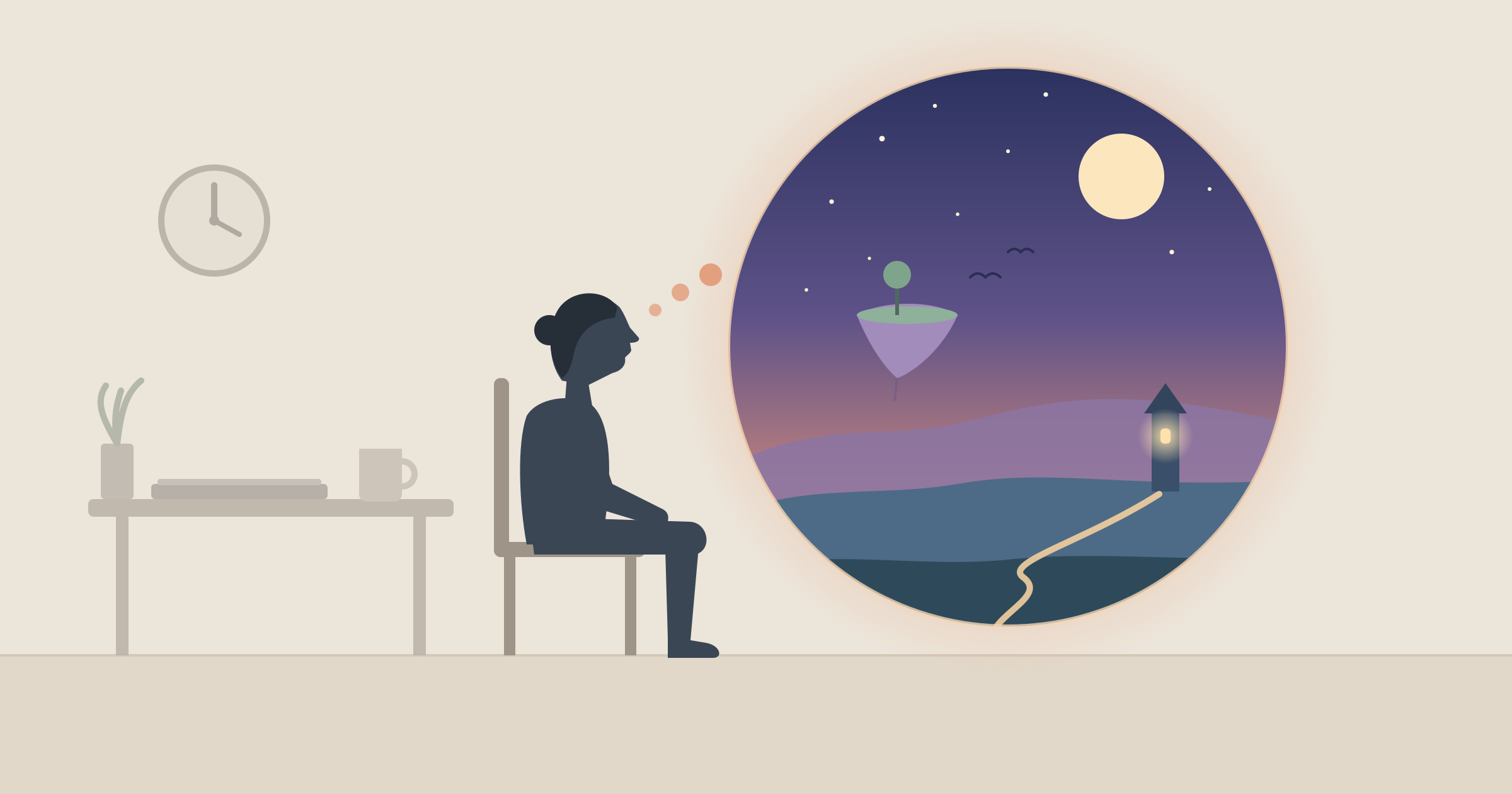
You daydream. Everyone does, and most of the time it is harmless, even pleasant. But maybe yours stopped being a passing distraction a while ago....
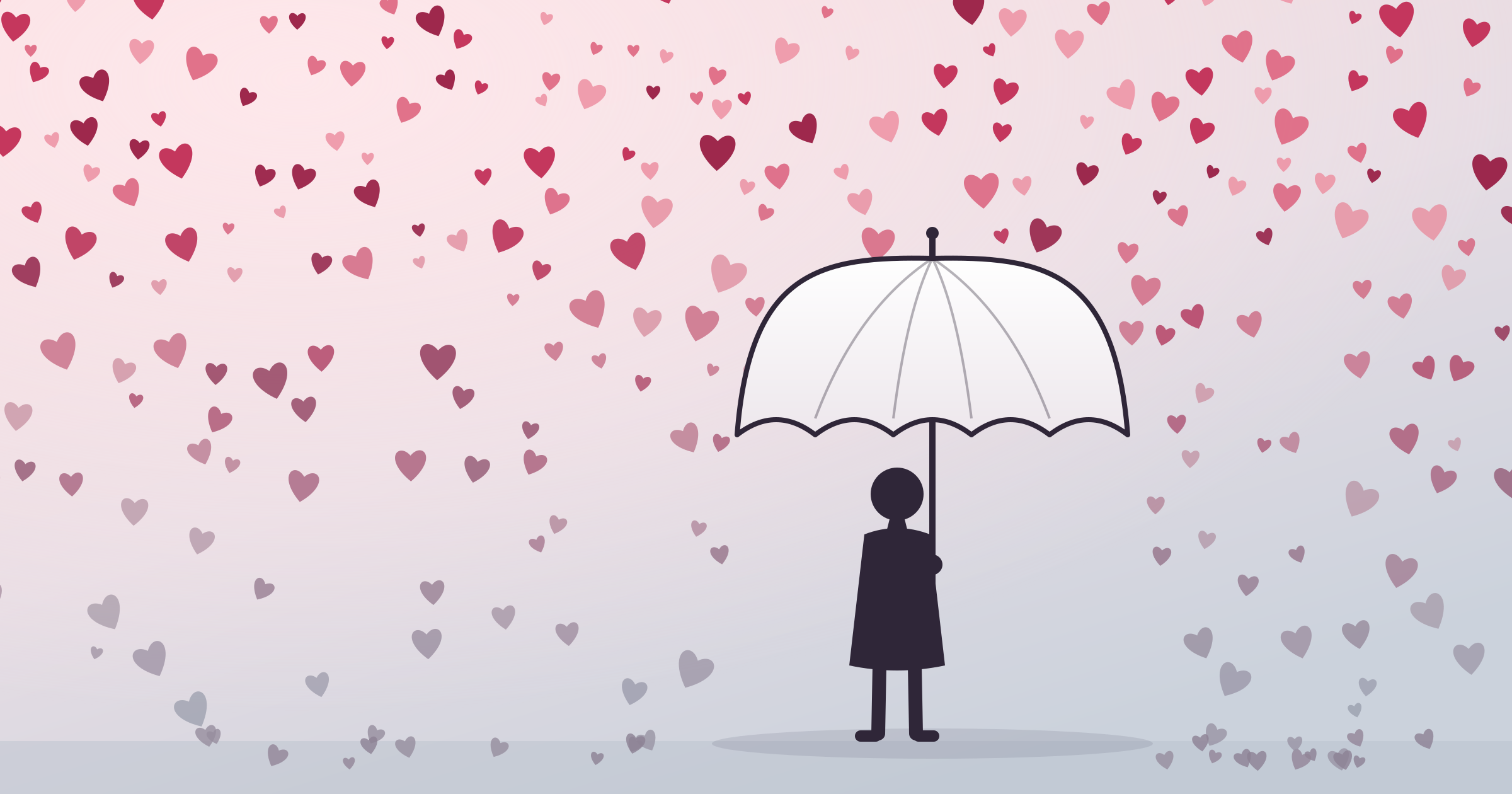
Not long ago, the term love bombing barely existed outside of niche psychology circles. Today it is everywhere, and that shift is no accident. The...
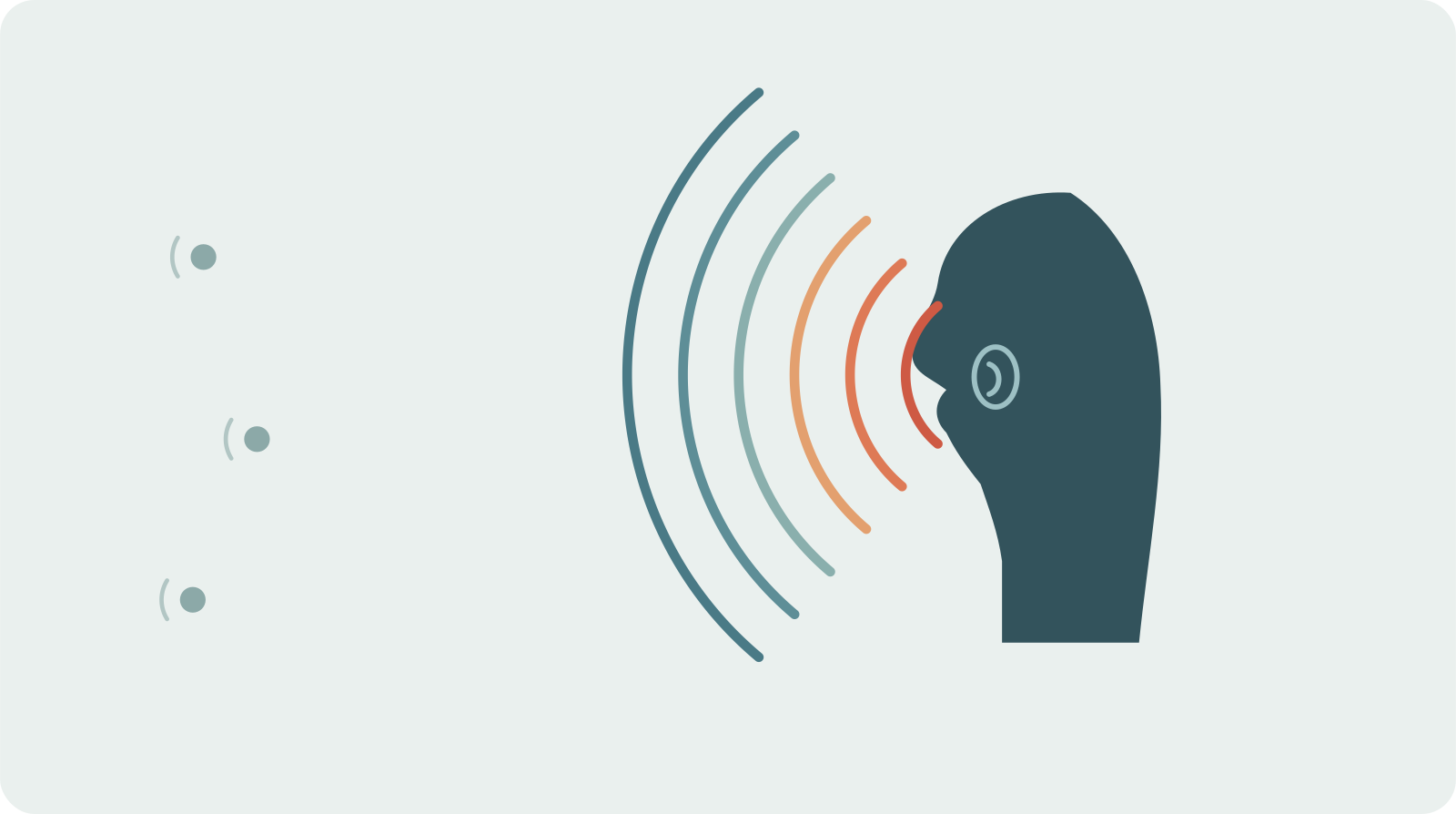
Some people cannot sit through a meal without feeling a surge of rage at the sound of chewing. Others feel their chest tighten when a colleague taps...